Study in Ireland for Indian Students (2026 Guide)

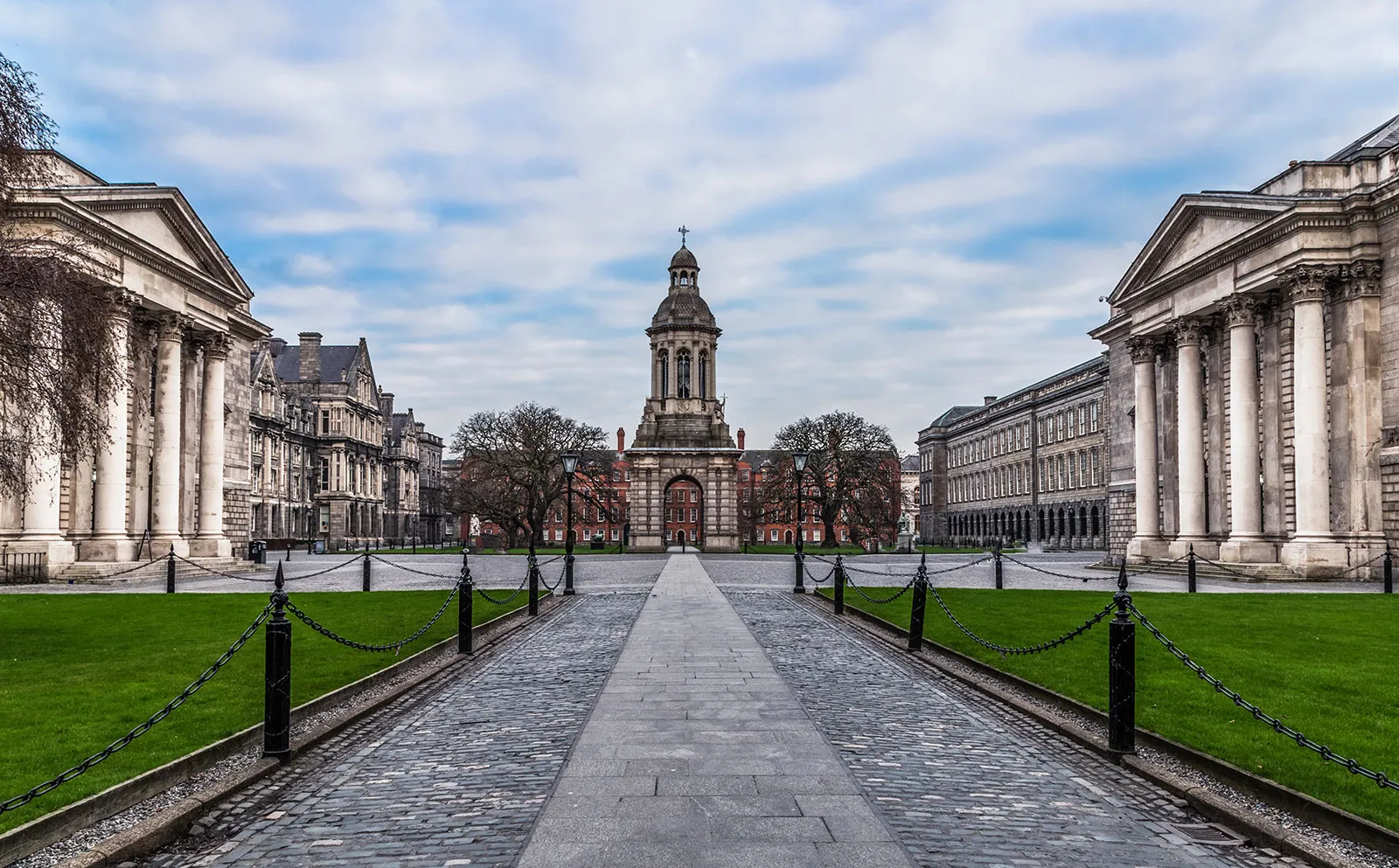
Trinity College Dublin 
University College Dublin (UCD) 
University of Galway 
University College Cork (UCC) 
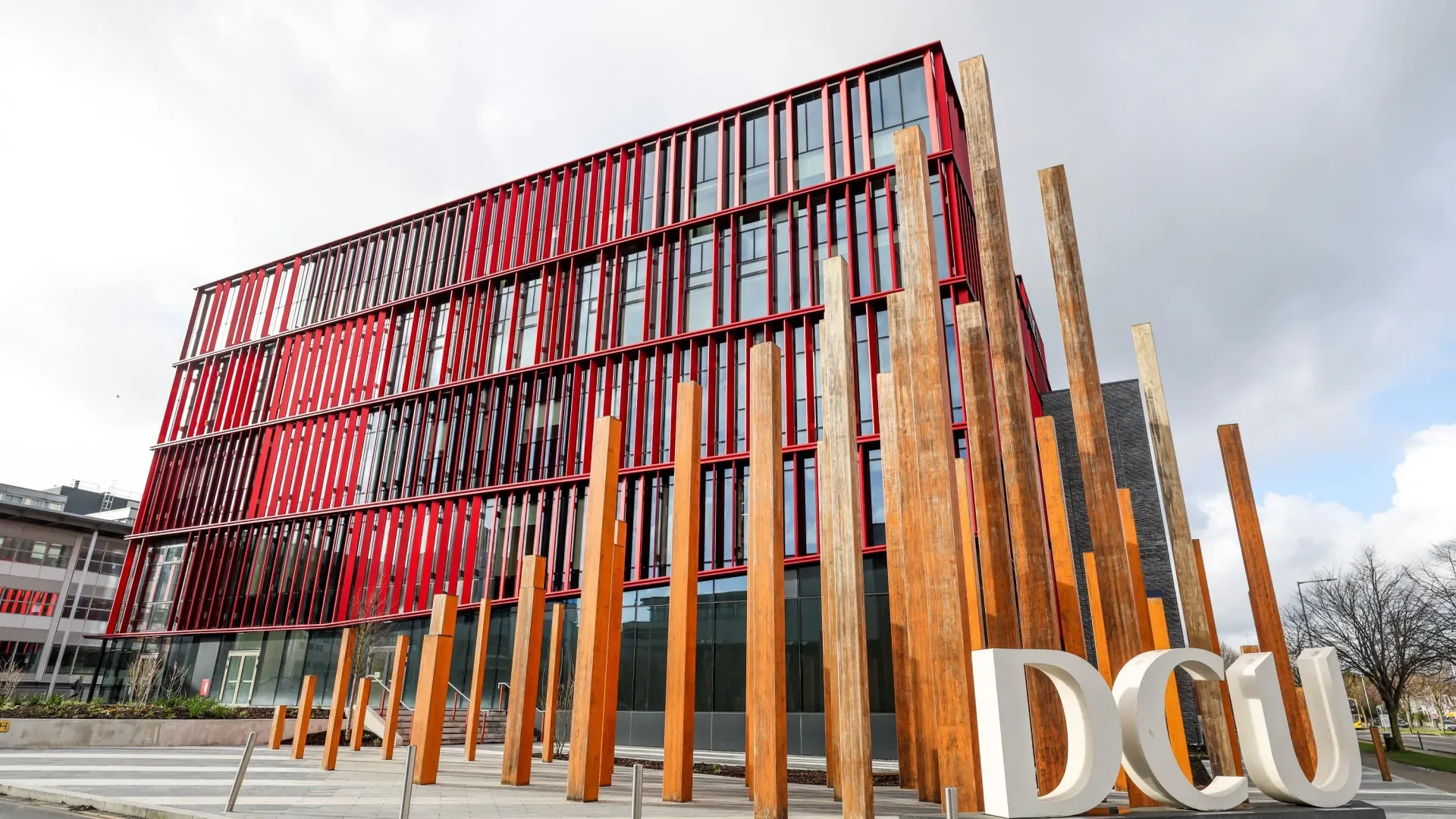
Dublin City University (DCU) 
University of Limerick (UL) 
Maynooth University 
Technological University Dublin (TU Dublin) 
South East Technological University (SETU) 
Munster Technological University (MTU) 
Atlantic Technological University (ATU)

A Complete, Real-World Breakdown of Cost, Careers, Universities & What Actually Matters
Why Ireland Is Quietly Becoming One of the Smartest Study Destinations
Most students follow the crowd.They choose countries based on popularity.
But Ireland isn’t a crowd choice.
It’s a strategy choice.
A country where:
- Global companies are not “visiting” — they’re headquartered
- Degrees are shorter, but outcomes are stronger
- You don’t just graduate — you enter a global workforce
This is not about studying abroad.
This is about positioning yourself where opportunities already exist.
The Ireland Advantage (What Actually Changes Your Future)
1. Direct Access to Global Companies 
Ireland hosts European headquarters of:
- Meta
- Apple
- Microsoft
This isn’t branding.
This is proximity to opportunity.
2. Faster Return on Investment
- 1-year Master’s programs
- 2-year post-study work visa
You spend less time studying…
and more time earning.
3. English-Speaking Gateway to Europe
Unlike many European countries:
- No language barrier
- Easier transition
- Broader job access
The Real Cost of Studying in Ireland
Let’s remove the confusion.
Tuition Fees
€10,000 – €25,000 per year
(₹9L – ₹22L approx)
Living Expenses
€10,000 – €12,000 per year
(₹9L – ₹11L approx)
Total Investment
₹18L – ₹35L
What Most Blogs Won’t Tell You
Ireland is not the cheapest option.
But it’s one of the highest ROI options
— if you choose the right course.

Top Universities in Ireland
These aren’t just ranked institutions.
They are industry-connected ecosystems.
IELTS & Admission Reality
Most students underestimate this.
- Minimum: 6.0
- Competitive: 6.5+
A higher score doesn’t just improve admission.
It strengthens your visa profile and future options.
Jobs in Ireland After Study (No Sugarcoating)
High-Demand Roles
- Data Analyst
- Software Developer
- Financial Analyst
- Pharma & Life Sciences
Average Salary
€30,000 – €45,00
The Truth Most People Ignore
Jobs exist
But degrees don’t get jobs — skills do
If you:
Choose a high-demand field
Build real skills You win.
If not:
You struggle.
Visa & Stay Back: What You Need to Know
- 1-year Master’s → 2-year stay back
- Full-time work allowed
- Opportunity to transition into long-term roles
This is where ROI actually happens.
Where Students Go Wrong
- Choosing courses based on “interest” without job demand
- Ignoring industry trends
- Weak IELTS preparation
- No long-term career plan
These mistakes don’t just delay you.
They cost you lakhs and years.
Who Should Choose Ireland
Ireland is ideal if you:
- Want a career in tech, business, or pharma
- Have a budget of ₹20L–₹35L
- Are targeting global exposure + European job markets
Who Should Avoid Ireland
Be honest with yourself.
Avoid if you:
- Have no clear direction
- Are choosing random courses
- Expect easy outcomes
2026 Insight: Why Ireland Is Rising
- Demand for skilled professionals is increasing
- Europe is becoming a serious alternative to UK/Canada
- Ireland is still less saturated
Final Thought
Ireland is not a shortcut.
It’s a strategic move.
The outcome depends on:
What you choose?
How you prepare?
And how seriously you take it?
Because in the end:
The country doesn’t decide your future.
Your decisions do.
Start Your Journey With Clarity
If you’re serious about studying abroad:
- Get your profile evaluated
- Choose the right course & country
- Build a clear roadmap
Take the first step when you’re ready.
Yes. Ireland is one of the fastest-growing study destinations due to its strong job market, presence of global companies like Google and Meta, and a 2-year post-study work visa.
The total cost typically ranges between ₹18 lakh to ₹35 lakh, including tuition fees and living expenses.
Most universities require a minimum of 6.0, but a 6.5+ score is recommended for better universities and visa strength.
Yes, especially in fields like IT, data analytics, finance, and pharmaceuticals. However, job success depends on skills, networking, and course selection.
Ireland offers a 2-year stay-back option for Master’s students, allowing them to work full-time after graduation.
It depends on your goal:
- Ireland → Better for tech jobs & European exposure
- UK → Faster degree (1 year)
- Canada → Strong PR pathways